Integrating Entertainment: Beyond Just Smart SUV Cars
When we hear the word "smart," our minds often conjure images of cutting-edge technology: perhaps a Smart Home Entertainment: Beyond Goal Setting, a smartphone, or even the latest pure electric SUV gracing our roads. While these advancements undeniably represent intelligent design and connectivity, the true essence of 'smart' extends far beyond individual gadgets or vehicles. It's about seamless integration, intuitive control, and an experience that enhances daily life in ways previously unimaginable. Nowhere is this more apparent than in the evolving landscape of smart home entertainment integration.
Gone are the days of fumbling with multiple remote controls, tangled wires, and disjointed media experiences. Today, the vision of a truly integrated home entertainment system is not just a luxury but an attainable reality for many. It’s about creating an ecosystem where your movies, music, gaming, and even ambient lighting work in harmony, controlled effortlessly from a single interface or even your voice. This article delves deep into what smart home entertainment integration truly means, its core components, the profound benefits it offers, and practical steps to transform your living space into an intelligent, immersive entertainment hub.
What is Smart Home Entertainment Integration? Unpacking the Core Concept
At its heart, smart home entertainment integration is the unification of various audio, visual, and environmental control systems within a residence into a single, cohesive, and intelligent network. It's not merely about having a smart TV or a smart speaker; it's about making these devices communicate and cooperate to deliver a superior, personalized experience. Think of it as an orchestra, where each instrument (device) plays its part perfectly under the guidance of a single conductor (the central smart home hub).
- Centralized Control: The ability to manage all entertainment and related systems from one device – be it a smartphone app, a dedicated touch panel, or voice commands.
- Seamless Automation: Programming your home to react to your entertainment choices. For instance, dimming the lights, closing blinds, and setting the thermostat to a comfortable temperature the moment you press play on a movie.
- Multi-Room Audio & Video: The freedom to enjoy different content in different rooms simultaneously, or to extend the same audio/video experience throughout your entire home with perfect synchronization.
- Personalized Experiences: Systems that learn your preferences, suggesting content, adjusting settings, and creating custom scenes (e.g., "Movie Night," "Party Mode," "Relaxation").
This level of integration moves "smart" from a buzzword to a transformative principle, making your home not just a collection of smart devices, but a truly intelligent environment. It emphasizes convenience, efficiency, and an unparalleled level of immersion, distinguishing it from simply a smart device or a Defining Smart: More Than SMART Principles goal-setting framework.
Key Components of an Integrated Entertainment Ecosystem
Building a robust smart home entertainment integration system requires careful consideration of several interconnected technologies. These components work in concert to deliver that seamless, magical experience:
The Central Brain: Smart Hubs and Controllers
Every integrated system needs a central point of command. These hubs act as the interpreters and coordinators for all your smart devices. Popular options include:
- Voice Assistants: Amazon Alexa, Google Assistant, Apple Siri (via HomePod/Apple TV) offer powerful voice control over a wide range of devices.
- Dedicated Smart Home Hubs: Devices like Samsung SmartThings, Hubitat, or specialized platforms from companies like Control4 or Crestron offer more robust automation capabilities and wider device compatibility.
- AV Receivers with Smart Features: Many modern AV receivers can serve as a central audio/video hub, often integrating with smart home platforms.
Audio & Visual Powerhouses
These are the devices that deliver your content:
- Smart TVs & Projectors: The display centerpiece, often with built-in streaming apps and smart home integration capabilities.
- Sound Systems: From high-fidelity multi-room speakers (Sonos, Bose) to immersive home theater setups with surround sound, soundbars, and subwoofers.
- Streaming Devices: Apple TV, Roku, Amazon Fire TV Stick, Google Chromecast provide access to a universe of content.
Beyond the Screen: Enhancing the Atmosphere
True integration extends beyond just sound and vision:
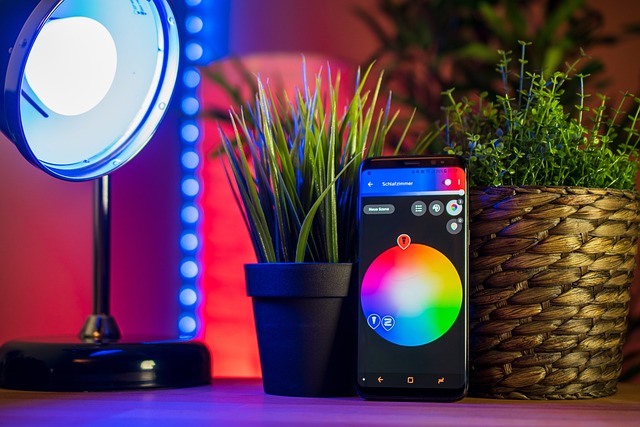
- Smart Lighting: Philips Hue, Lutron Caséta, LIFX bulbs and switches can change colors, dim, and create mood-specific scenes. Imagine your lights automatically dimming and changing to a warm glow when a movie starts.
- Smart Blinds & Shades: Automated window coverings offer privacy and light control, perfectly complementing your viewing experience.
- Smart Climate Control: Integrating your thermostat (Nest, Ecobee) ensures optimal comfort without manual adjustments.
The Invisible Backbone: Robust Networking
No smart home can function without a strong, reliable network. A high-speed internet connection, a powerful Wi-Fi router (preferably Wi-Fi 6 or higher), and potentially a mesh network or wired Ethernet connections are critical for seamless streaming and device communication, especially with numerous devices connected simultaneously.
The Profound Benefits of True Smart Home Entertainment Integration
The advantages of investing in a truly integrated smart home entertainment system go far beyond simple convenience. They touch upon lifestyle, efficiency, and even property value.
- Unparalleled Immersion: Imagine a "Movie Night" scene where a single voice command or tap of a button dims the lights, lowers the blinds, turns on your projector, starts your favorite streaming app, and adjusts the surround sound, all perfectly synchronized. This creates an immersive experience that transports you directly into the content.
- Streamlined Control: Eliminate remote clutter and complex navigation. A single interface (your smartphone, tablet, or voice) manages everything, making entertainment accessible to everyone in the household, regardless of tech savviness.
- Enhanced Aesthetics: Integrated systems often mean fewer visible wires and components. Dedicated media rooms can feature hidden projectors, in-wall speakers, and neatly organized central equipment, contributing to a cleaner, more sophisticated aesthetic.
- Energy Efficiency: Automation allows for smart energy management. Lights can automatically turn off when a room is empty, entertainment systems can power down into standby when not in use, and climate control can optimize for comfort while minimizing waste.
- Increased Home Value: A well-designed and integrated smart home entertainment system is a significant selling point, signaling a modern, tech-savvy property to potential buyers.
- Personalization & Customization: Tailor experiences for different family members or occasions. Create a "Gaming Mode" that optimizes input lag and vibrant lighting, or a "Reading Scene" with soft, ambient music and warm, indirect lighting.
- Future-Proofing: By choosing open platforms and modular systems, you can ensure your setup can evolve and adapt as new technologies emerge, protecting your investment.
Practical Steps to Achieving Seamless Integration
Embarking on your smart home entertainment integration journey can seem daunting, but with a structured approach, it's an achievable and rewarding endeavor. Here are some actionable tips:
- Assess Your Needs and Budget: Before buying anything, consider what you want to achieve. Do you need whole-house audio, a dedicated home theater, or just better control over your living room setup? Define your priorities and set a realistic budget. Remember, you don't have to do it all at once; many systems are designed for gradual expansion.
- Choose Your Ecosystem Wisely: This is perhaps the most crucial decision. Major players include Apple HomeKit, Google Home, and Amazon Alexa. Opting for a primary ecosystem helps ensure compatibility and simplifies management. Research which platform best supports the devices you currently own or plan to purchase.
- Prioritize Your Network: A robust Wi-Fi network is the backbone of any smart home. Invest in a high-quality router, consider a mesh Wi-Fi system for larger homes, and use wired Ethernet connections for high-bandwidth devices like smart TVs or gaming consoles whenever possible.
- Start Small and Expand: Begin with a manageable project, like integrating your smart lights with a voice assistant, or setting up a multi-room audio system. Once comfortable, gradually add more components like smart blinds, thermostats, or a full home theater setup. This iterative approach makes the process less overwhelming.
- Consider Professional Installation for Complex Setups: For advanced home theaters, custom multi-room audio/video, or comprehensive whole-house automation, hiring a professional integrator can save you time, ensure optimal performance, and prevent costly mistakes. They can help with wiring, calibration, and programming.
- Security and Privacy are Paramount: As you connect more devices, ensure your home network is secure with strong passwords and two-factor authentication. Keep device firmware updated and be mindful of the data privacy policies of your chosen smart home platforms and devices.
- Plan for the Future: While full "future-proofing" is impossible in tech, choosing open standards and reputable brands increases the likelihood that your system can integrate with future innovations. Look for devices that support Matter, the new smart home interoperability standard.
Conclusion
The concept of "smart" has evolved dramatically, moving beyond individual devices or specific applications like smart cars or goal-setting methodologies. In the realm of our homes, it culminates in the sophisticated art of smart home entertainment integration. This isn't just about controlling your TV with your voice; it's about crafting an immersive, responsive, and personalized environment where every element works in concert to elevate your entertainment experience. By embracing this integration, you're not just upgrading your gadgets; you're transforming your living space into a truly intelligent sanctuary, offering unparalleled convenience, comfort, and an undeniable glimpse into the future of modern living.