Defining Smart: The Evolution Beyond Principles and Products
When we hear the word "smart," our minds often jump to very specific, perhaps even rigid, interpretations. For some, it immediately brings to mind the **SMART principle**—an acronym (Specific, Measurable, Achievable, Relevant, Time-bound) widely used in goal setting and project management. This framework has undeniably shaped how individuals and organizations approach objectives, providing a clear roadmap for success. Others might associate "smart" with a particular brand, like the compact, innovative **smart pure electric SUV car**, known for its urban agility and modern design. These are valid, important definitions within their respective domains.
However, the rapid advancement of technology has expanded the very essence of what "smart" truly means, especially within our living spaces. Today, "smart" transcends mere principles or individual products; it signifies interconnectedness, intelligence, and seamless interaction, particularly evident in the realm of home technology. This article delves into this broader definition, focusing specifically on **smart home entertainment integration**—a concept far richer and more dynamic than any singular principle or vehicle. It’s about creating an immersive, responsive, and effortlessly controllable environment where entertainment is at the heart of a truly intelligent home experience.
Beyond Goal Setting: The Modern "Smart" in Your Living Space
The SMART principle for goal setting is invaluable, offering a structured approach to achieve personal and professional aspirations. It helps us break down complex objectives into manageable, actionable steps. Yet, when we talk about a "smart home," we're operating on an entirely different plane of intelligence. Here, "smart" isn't about setting goals for your television or sound system; it's about these devices working together autonomously, responding to your commands, and even anticipating your needs.
A smart home is more than just a collection of internet-connected gadgets. It's an ecosystem where devices communicate with each other, share data, and automate tasks to enhance convenience, comfort, and security. And at the epicenter of many modern smart homes lies an increasingly sophisticated and integrated entertainment system. This evolution of "smart" transforms passive viewing or listening into an interactive, personalized experience. It moves beyond the idea of individual smart devices existing in isolation, aiming for a symphony of technology that elevates everyday living. To truly grasp this shift, one must understand that
Smart Home Entertainment is Beyond Goal Setting; it's about crafting an environment that intuitively serves your lifestyle.
The Core of Smart Home Entertainment Integration
At its heart, **smart home entertainment integration** is about unifying all aspects of your audio-visual experience into a cohesive, easily controllable system. Imagine a scenario where your TV, sound system, streaming devices, smart lighting, and even climate control work in perfect harmony, orchestrated from a single point of control – be it a voice command, a universal remote, or a smartphone app. This isn't just about plugging in devices; it's about creating a centralized brain that manages your entire home theater experience, making it intuitive and deeply personal.
Key components of this integration typically include:
* **Smart Televisions:** Acting as the visual hub, often with built-in streaming apps and compatibility with voice assistants.
* **Immersive Audio Systems:** From soundbars to multi-room speaker setups (like Sonos or Bose), delivering crisp, spatial sound.
* **Streaming Devices:** Apple TV, Roku, Chromecast, Fire TV, providing access to a vast library of content.
* **Gaming Consoles:** Seamlessly integrated to switch between entertainment modes.
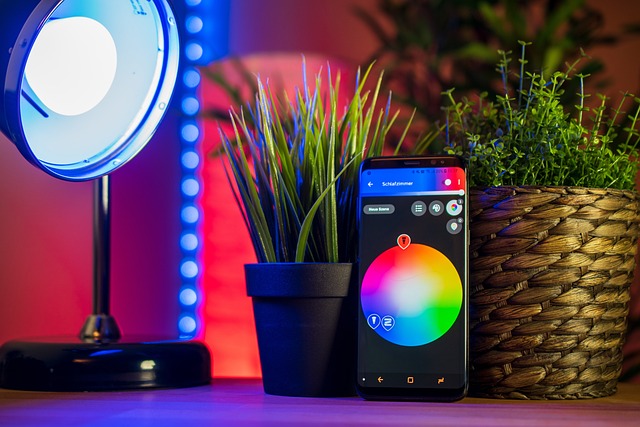
* **Smart Lighting:** Philips Hue, Lutron, etc., that can sync with screen content or create specific ambiances.
* **Voice Assistants:** Amazon Alexa, Google Assistant, Apple Siri, serving as the primary control interface for many users.
The real magic happens when these individual elements stop being separate entities and start functioning as a unified whole. This enables users to create "scenes" or "routines" – pre-programmed settings that instantly transform the room. For instance, a "Movie Night" scene might dim the lights, close the blinds, turn on the projector and surround sound, and even adjust the thermostat to a cozy temperature, all with a single command. The convenience and personalization offered by such an ecosystem are game-changers for any entertainment enthusiast.
Key Benefits of a Unified Entertainment Ecosystem
Embracing smart home entertainment integration brings a host of advantages that go far beyond simple convenience:
* **Seamless Control:** Say goodbye to multiple remotes. A single app, voice command, or universal smart remote can manage every aspect of your entertainment setup.
* **Enhanced Ambiance:** Synchronize lighting, sound, and visuals to create truly immersive experiences. Imagine dynamic backlighting that reacts to the colors on your screen, or speakers that adjust volume based on ambient noise.
* **Personalized Experiences:** Your system can learn your preferences, suggest content, and even set up individual profiles for family members, tailoring recommendations and settings to each person.
* **Future-Proofing:** A well-integrated system is often scalable and compatible with new technologies through software updates, ensuring your entertainment hub remains cutting-edge.
* **Energy Efficiency:** Automating device power-downs and integrating with smart plugs can help reduce energy consumption when systems are not in use.
Practical Steps to Integrating Your Smart Home Entertainment
Embarking on your smart home entertainment integration journey can seem daunting, but by following a structured approach, you can build a robust and enjoyable system. Remember, this isn't just about installing gadgets; it’s about intelligent design that makes your home work for you.
1. **Assess Your Needs and Goals:** Before purchasing anything, think about what you want to achieve. Are you looking for a simple voice-controlled TV, a full-blown home cinema, or multi-room audio? What devices do you already own that you want to integrate?
2. **Choose Your Central Hub/Platform:** This is crucial. Popular ecosystems include Amazon Alexa, Google Home, Apple HomeKit, and Samsung SmartThings. Your choice will dictate device compatibility. Opt for a platform that aligns with your existing devices and offers the features most important to you.
3. **Select Compatible Devices:** Once your hub is chosen, prioritize devices that are explicitly compatible with it. Look for "Works with Alexa," "Google Assistant built-in," or "HomeKit enabled" labels. This applies to smart TVs, sound systems, streaming boxes, smart lights, and even smart plugs for non-smart devices.
4. **Plan Your Network:** A robust and reliable Wi-Fi network is the backbone of any smart home. Consider upgrading your router or adding mesh Wi-Fi extenders, especially for larger homes. Ethernet connections are always preferable for high-bandwidth devices like smart TVs and gaming consoles.
5. **Set Up Routines and Automations:** This is where your smart home truly comes alive. Experiment with creating routines like "Good Morning" (turns on news, brews coffee, raises blinds) or "Gaming Session" (dims lights, switches TV input, powers on console). Most smart hubs offer intuitive interfaces for setting these up.
*Actionable Tip:* Start small. Begin with a smart speaker and a few smart lights, then gradually expand your system as you become more comfortable and identify additional needs. This iterative approach helps manage complexity and budget.
Overcoming Common Integration Challenges
While the benefits are significant, integrating smart home entertainment can present challenges:
* **Compatibility Issues:** Not all "smart" devices play nicely with each other. Thorough research into cross-platform compatibility is essential to avoid frustration.
* **Network Stability:** Dropped connections, Wi-Fi dead zones, or insufficient bandwidth can cripple your smart home. Invest in a strong, stable network infrastructure.
* **Security Concerns:** Every internet-connected device is a potential entry point for cyber threats. Use strong, unique passwords, enable two-factor authentication, and keep all device firmware updated.
* **Complexity:** An overly complex system can defeat the purpose of convenience. Aim for simplicity in your routines and controls. If it's too hard for family members to use, it won't be truly integrated.
* **Vendor Lock-in:** Choosing a particular ecosystem might limit your choices for future devices. Consider open standards like Matter (when widely adopted) for greater flexibility.
It's important to remember that
Integrating Entertainment: Not Just Smart SUV Cars applies to our living spaces, transforming how we interact with media in a way that’s uniquely domestic and personalized.
The Future of Integrated Smart Entertainment
The journey of smart home entertainment integration is far from over. The future promises even more sophisticated and intuitive experiences. We can anticipate:
* **AI-Powered Personalization:** Systems that truly understand your mood, preferences, and daily rhythms, proactively suggesting content, adjusting ambiance, and curating experiences tailored just for you.
* **Augmented Reality (AR) and Virtual Reality (VR) Integration:** Imagine AR overlays on your living room screen, enhancing sports broadcasts with real-time stats, or VR experiences seamlessly interacting with your physical environment, blurring the lines between digital and physical entertainment.
* **Seamless Interoperability:** With evolving standards like Matter and Thread, devices from different manufacturers will communicate more effortlessly, simplifying setup and expanding choices for consumers.
* **Predictive Entertainment:** Your smart home could learn your habits so well that it starts your favorite podcast when you walk into the kitchen or queues up a movie as you settle onto the couch after a long day, without a single command.
Conclusion
The definition of "smart" has evolved significantly. While the **SMART principle** continues to guide effective goal setting and "smart" cars navigate urban landscapes, the truly revolutionary meaning of "smart" lies within our homes. **Smart home entertainment integration** represents the pinnacle of this evolution, transforming disparate devices into a harmonious, intelligent ecosystem that enhances convenience, deepens immersion, and personalizes our daily lives. By moving beyond traditional interpretations and embracing the power of interconnected technology, we can unlock a future where our homes don't just house our entertainment, but actively participate in creating truly unforgettable experiences. The smart home is no longer just a vision; it's a dynamic, evolving reality waiting to be fully explored.